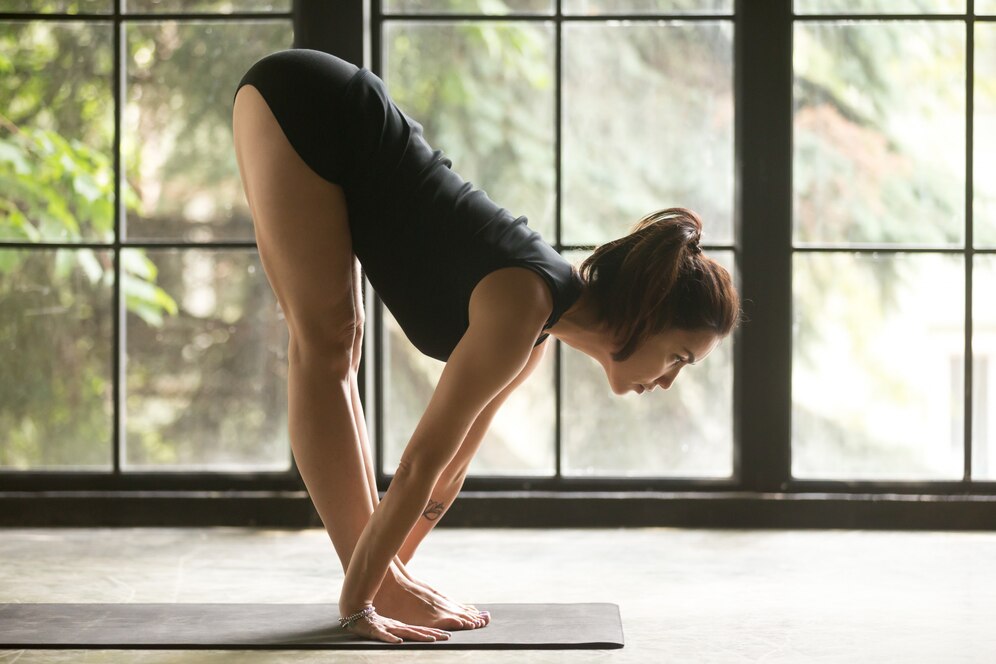
Why do the Aerial & Yin Yoga modalities unlock emotions stored deep within our physiology? In modern wellness culture, people are seeking somatic healing, trauma-informed movement, and nervous system regulation. The intersection of Aerial Yoga and Yin Yoga offers a profoundly therapeutic, science-informed synergy.
Understanding Fascia: The Body’s Hidden Communication Network
Fascia is a continuous, three-dimensional web of connective tissue that wraps around every muscle, bone, nerve, and organ in the body. Fascia research reveals it is a highly sensitive, liquid-crystalline communication network packed with sensory nerve endings.
When we experience chronic stress or physical stillness, fascia loses its hydration, becoming sticky, bound up, and dense. This limits our mobility, alters our posture, and traps physical tension. These physical restrictions often mirror our emotional holding patterns.
Why Yin Yoga Reaches Deep Connective Tissue
Yin Yoga is a meditative and slow style of yoga that targets fascia, ligaments, and connective tissues. By holding floor-based postures for 3 to 7 minutes, we apply a safe, gentle stress to the deeper connective tissues. This gentle traction stimulates cells to produce more hyaluronic acid, rehydrating the fascial layers and promoting joint decompression.
Emotional Release During Yin Yoga
When the physical body settles into profound stillness, our sensory awareness amplifies. We are forced to feel what is present. A trauma-informed approach recognizes these experiences as the nervous system safely processing and integrating old, incomplete stress cycles.
How Aerial Yoga Changes the Body’s Relationship with Gravity
Decompression and Fascial Freedom
Aerial Yoga is a practice that is the combination of ancient yoga asanas done with the use of aerial silk or a hammock. By placing parts of the body into a supportive fabric sling, we can achieve spinal traction and joint unloading. This allows releasing deep-seated tension in the respiratory diaphragm, psoas muscle, and pelvic floor.
Nervous System Effects of Suspension
Movement within an aerial hammock stimulates our vestibular system. Gentle rocking or swinging inside the hammock can mimic early developmental movements, activating safety within the central nervous system.
Trauma-Informed Considerations In Aerial And Yin Yoga
Because these practices dip deep into the somatic substrate of our emotions, skilled, trauma-sensitive facilitation is absolutely essential. A trauma-informed educator understands that a forced emotional release can deregulate a student.
Teachers must offer clear, choice-based language, respect personal boundaries, avoid forceful adjustments, and provide immediate grounding techniques if a student become overwhelmed by emerging sensations.
Why Yoga Teachers Are Expanding Into Somatic and Fascia-Based Modalities
As the global wellness landscape evolves, students are seeking out educators who understand the architecture of human movement science and somatic health.
Many are choosing to enroll in a comprehensive 7-Day Yin Yoga Teacher Training in Rishikesh to deeply study meridian theory, passive fascial anatomy, and mindfulness meditation. Concurrently, integrating a 5-day Aerial Yoga Teacher Training in Rishikesh allows educators to master three-dimensional alignment, decompression mechanics, and suspension-based sequencing.
These advanced certifications bridge the gap between traditional yogic wisdom and modern Western anatomy.
Frequently Asked Questions
What is taught in an Aerial Yoga Teacher Training in Rishikesh?
These trainings cover aerial anatomy, safety, decompression sequencing, inversion mechanics, and how to safely adapt suspension techniques for students of varying physical abilities.
What can I expect from a Yin Yoga Teacher Training in Rishikesh?
You will study skeletal variation, myofascial target areas, mindfulness practices, and the art of holding a trauma-sensitive space for long postures.
Call us today for more details.